.png)
The Army and the Map: What I Learned When My Own Mother Needed a Planner
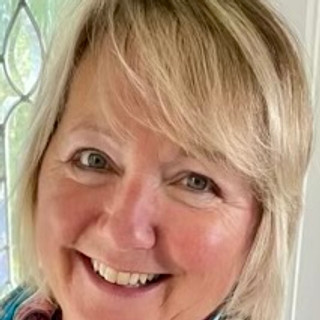

In 2004, I was already a "pro." I owned a Home Care company, and my daily life was dedicated to helping older adults maintain their independence. I knew the lingo, I knew the providers, and I knew the system.
But in 2007, my sister and I sat in my car after a doctor’s appointment, holding hands and crying until our eyes were raw. I wasn't a business owner; I was a daughter in shock.
We had lost our father suddenly on August 10, 2006. He was 75, the bedrock of our family. While I am grateful, he never had to go through the process of losing his independence, we were still deeply grieving him when the world tilted again: Mom was struggling. It wasn’t just the "widow’s fog" we expected; it was high anxiety, hallucinations, and aphasia—the cruel loss of the words she needed to tell us she was scared.
The doctor’s verdict was Vascular Dementia, and the recommendation was Long-Term Care.
The "Army" of Ten
My family is large—ten of us in total. You would think that with nine siblings, the burden would be light. We were an "army" of support. My mother lived in my sister’s basement apartment, cared for by a daughter whose heart was as big as her patience. But even an army can retreat into chaos without a map.
We were the "Sandwich Generation," juggling children, grandchildren, and careers. We had ten different opinions, ten different ways of grieving, and ten different ideas on how to handle Mom’s changing personality—including her sudden, inexplicable addiction to buying boxes and boxes of Cheerios.
When the Expert Needs an Expert
Even with my background, the road was terrifying. I realized that a medical diagnosis tells you what is wrong, but it rarely tells you how to live. I reached out to my network and stopped trying to do it all alone:
I leaned on the Alzheimer Society to understand the link between hallucinations and mental health.
I navigated the systems (then CCAC/LHIN, now Ontario Health at Home) to get a referral to Ontario Shores for a geriatric assessment.
We engaged a specialized team to review her medications and mood.
The Bridge and the Catalyst
As Mom’s needs grew, we transitioned her into a retirement community. This was a pivotal middle step that offered her independence and social life with the security of 24/7 staff. However, it was here that we faced a medical crisis that I now warn all my clients about: The "UTI" Factor.
One afternoon, Mom’s world changed overnight. Her confusion spiked, she became aggressive, and she began "exit-seeking"—trying to leave the building because she no longer recognized it as her home. Because of my background, I knew this wasn't just a "bad day" for dementia; it was likely a Urinary Tract Infection (UTI).
While we treated the infection, the episode revealed a hard truth: the delirium had pushed her exit-seeking to a level that a retirement home’s security could no longer safely manage. The "bridge" was no longer enough. We were now facing the reality of Long-Term Care (LTC) for her own safety.
Navigating the Final Transition
The transition to LTC was a difficult, often disturbing period for our family. The environment was older, and while the staff were caring individuals doing their absolute best, the system was often stretched thin.
Mom was afraid during the night, so we made a choice that changed everything: we hired a private nurse to stay with her. This specialized care created a calm, consistent environment that the facility couldn't provide alone. Knowing she was safe and had company gave our family the peace we needed to simply be her children again.
Why I Became an Eldercare Planner
I miss my mother every day, but I find peace knowing we navigated her journey with every resource available. I do this work because I know that even an "army" needs a general, and even the most dedicated families need a map.
Whether you are looking for the social support of a retirement community, the medical security of long-term care, or simply creating a plan in place, I help you navigate the system, the tours, and the emotional transitions.
You handle the love; let me help you with the plan.
Footnotes & Key Takeaways for Families
The UTI Red Flag: In seniors, a UTI often presents as sudden cognitive decline or aggression rather than physical pain. Always request a urinalysis during a sudden "behavioral" shift.
Exit-Seeking: This is a clinical term for a senior trying to leave a safe environment. When this begins, it usually indicates that a higher level of secured care (LTC) is required.
Supplementing Care: You are allowed to bring private support into many LTC facilities. This can be the key to managing sundowning or nighttime anxiety.
The Sandwich Generation: You cannot pour from an empty cup. Professional planning isn't just for the senior; it’s for the health of the adult children, too.
Does your family need a map? If you are struggling with "nine different opinions" in your family, or you aren't sure if your loved one is safe in their current home, let's talk. I offer the professional expertise of an Eldercare Planner with the lived heart of a daughter who has been exactly where you are.


Comments